Dato curioso: ¿Qué guitarra tocaba Paco?
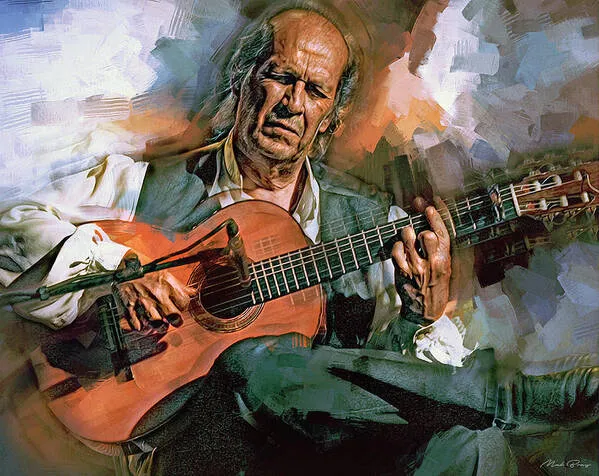
¡El Conde Hermanos Flamenco FC28!
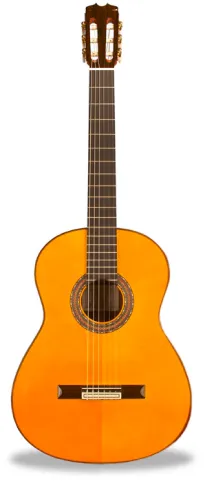
El modelo FC28 es el fruto de una colaboración histórica entre Paco de Lucía y Mariano y Faustino Conde. Paco de Lucía, amigo íntimo de los hermanos Conde, acudió a su taller en los años 70 en busca de una guitarra adecuada para las grandes salas de conciertos, pero sin perder ese carácter flamenco único. El resultado fue esta primera guitarra flamenca de concierto construida con abeto alemán mejor seleccionado para la tapa, palo de rosa de Madagascar para el fondo y los aros, ébano para el diapasón y cedro para el mástil. Esta sublime guitarra combina toda la tradición, la innovación y la artesanía desarrolladas en el taller de Conde Hermanos desde 1915.
«Mi comodidad con la guitarra lo es todo para mí como artista de flamenco en este caso; y este inmenso 'todo' es al mismo tiempo belleza, equilibrio, armonía y fuerza».
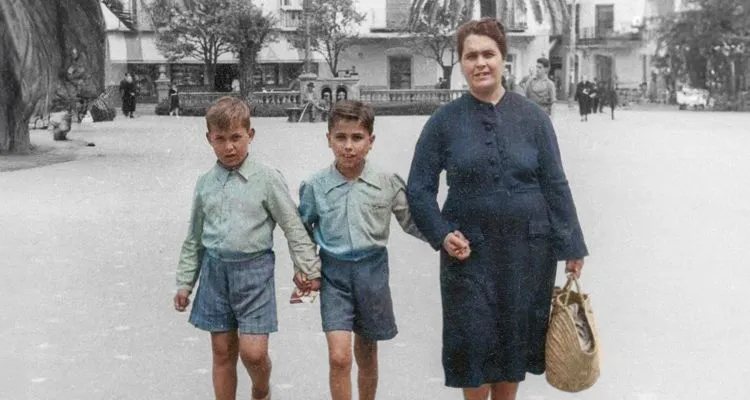
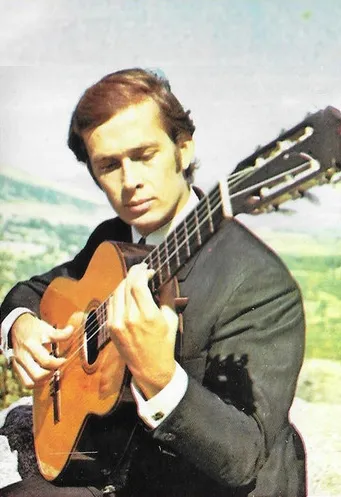
Francisco Sanchez Gomez, más conocido como Paco de Lucía, es considerado el mejor guitarrista flamenco de todos los tiempos.
Francisco Sanchez Gomez, más conocido como Paco de Lucía, es considerado el mejor guitarrista flamenco de todos los tiempos. Nació en 1947 en un barrio gitano (Roma) de Algeciras, una ciudad en la provincia de Cádiz, en el sur de España. Paco falleció en 2014 mientras estaba de vacaciones con su familia en Playa del Carmen, México. La ciudad de Algeciras declaró dos días de luto oficial. El menor de cinco hermanos, crecieron en un entorno pobre. «Paco» es un apodo familiar para Francisco, mientras que «de Lucía» se refiere a su madre, Lucía Gomes Gonçalves. Adoptó este nombre artístico como homenaje a ella.
Su padre, Antonio, estudió guitarra con Manuel Fernández, también conocido como Titi de Marchena o simplemente El Titi, un guitarrista de Algeciras que era primo de Melchor de Marchena. Antonio introdujo a Paco en la guitarra a una edad temprana y fue increíblemente estricto con su formación. A partir de los cinco años, Paco tuvo que practicar hasta 12 horas al día, todos los días, para prepararlo para una carrera como músico profesional. En un momento dado, Antonio incluso lo retiró de la escuela para centrarse por completo en sus estudios de guitarra. En una entrevista de 2012, Paco reflexionó: «Aprendí a tocar la guitarra como un niño aprende a hablar».
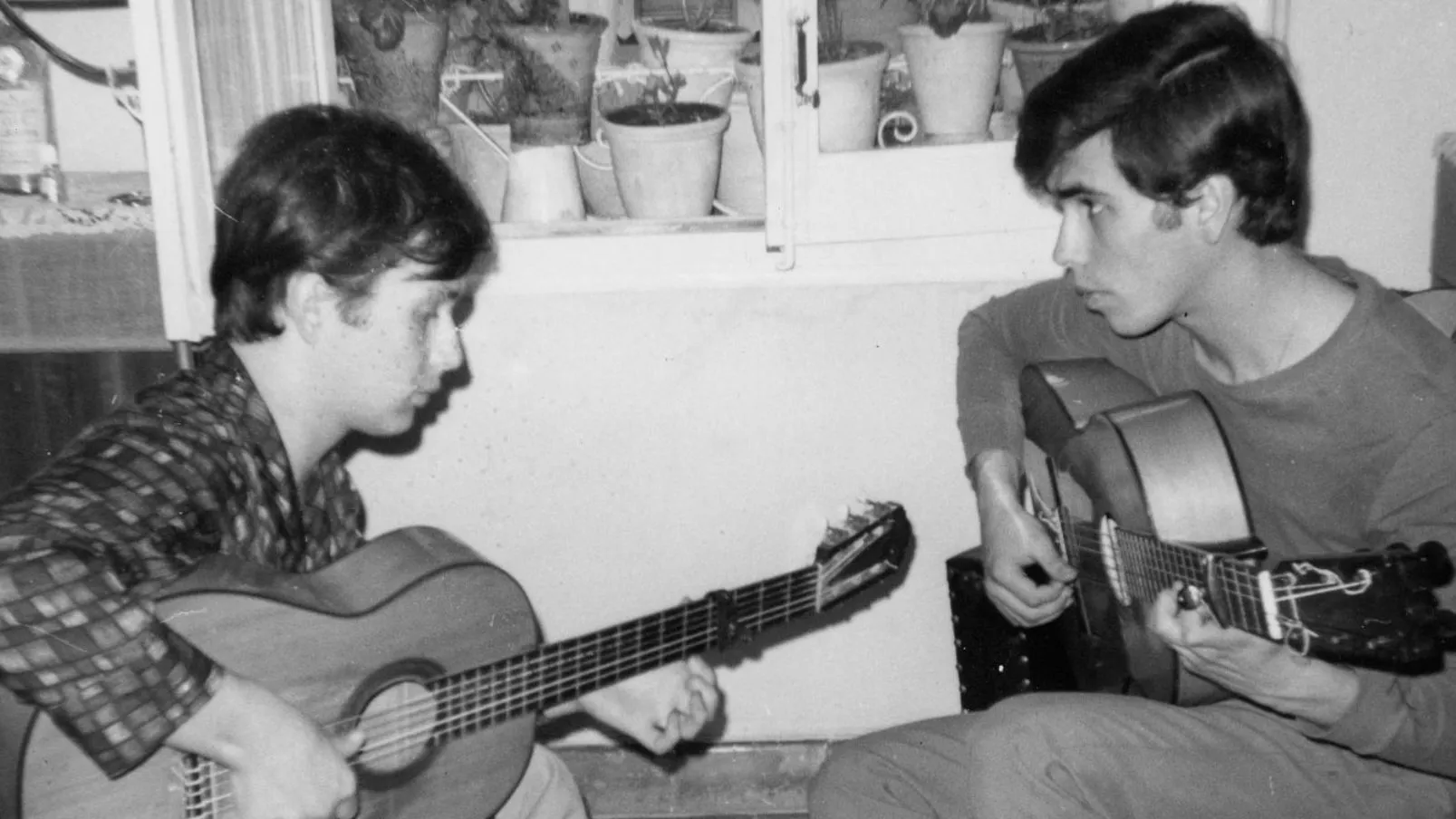
Junto a Enrique Morente y Camarón de la Isla, de Lucía fue una de las pioneras en ampliar los límites del flamenco tradicional, contribuyendo a la creación de lo que ahora se conoce como nuevo flamenco. Como compositor, también fue el primer artista español en integrar de manera consistente el jazz con la música andaluza.
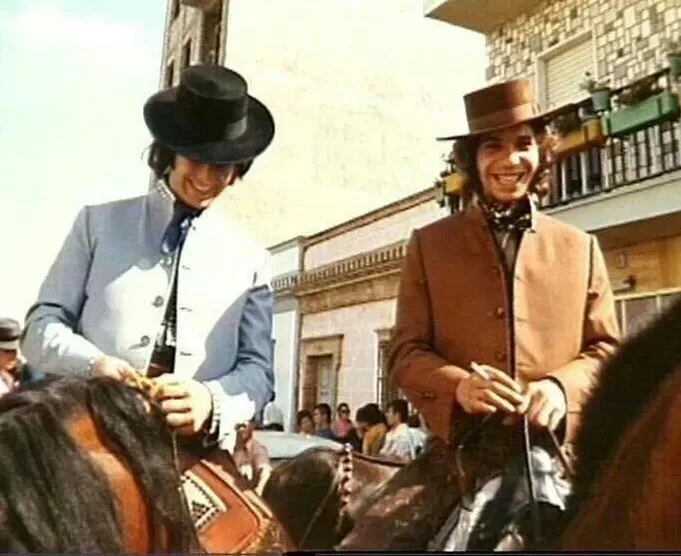
Una de sus colaboraciones más influyentes fue con el gran Camarón de la Isla, con quien Paco realizó giras y creó álbumes desde finales de la década de 1960 hasta 1977. Amigos desde una edad relativamente temprana, ambos son considerados dioses en el mundo del flamenco y se les atribuye haber revolucionado la forma de arte para convertirla en lo que es hoy en día.
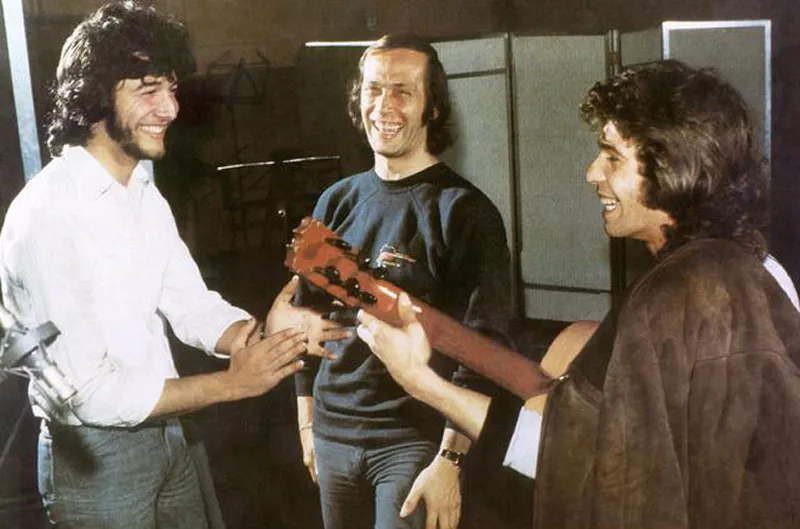
El álbum de 1972 de Paco de Lucía, El duende flamenco de Paco de Lucía, marcó un momento crucial en el mundo del flamenco. Durante la década de 1970, continuó superando los límites, incorporando influencias del jazz en un estilo flamenco cada vez más innovador. Su álbum posterior, Fuente y caudal, obtuvo un gran reconocimiento, especialmente por la canción Entre dos aguas, ahora una de sus composiciones más famosas, junto con Solera y Cepa Andaluza. Entre dos aguas, una rumba con bongos y bajo eléctrico, se traduce como «Entre dos aguas», haciendo referencia a su ciudad natal de Algeciras, donde el Mediterráneo se encuentra con el Atlántico. El biógrafo Pohren describe a Cepa Andaluza como una «bulería fenomenal, impulsada por aplausos rítmicos, gritos de ánimo y un jaleo animado, que inspira a los oyentes a bailar». El álbum también incluye canciones que llevan nombres de lugares emblemáticos de Andalucía, un motivo que Lucía continuó en obras posteriores.
Paco continuó actuando ampliamente en los Estados Unidos y Europa, aumentando su popularidad más allá de España y la comunidad flamenca europea. Durante este tiempo, se conectó con numerosos músicos de jazz, latinos y otros que influyeron en su desarrollo como artista del «Nuevo flamenco». Su creciente interés por la fusión del jazz y el rock se hizo evidente, y en 1977 actuó con Carlos Santana en la plaza de toros de las Arenas de Barcelona.

En 1979, Paco de Lucía unió fuerzas con John McLaughlin y Larry Coryell para formar The Guitar Trio. Juntos, hicieron una gira por Europa y publicaron un vídeo de actuación grabado en el Royal Albert Hall de Londres titulado Meeting of the Spirits. Colaborar con músicos como McLaughlin, Al Di Meola, Coryell y Chick Corea fue, sin duda, una experiencia «emocionante y estimulante» para De Lucía, dadas sus excepcionales habilidades técnicas y de improvisación. Sin embargo, algunos críticos expresaron su preocupación por la posibilidad de que estas colaboraciones lo llevaran a perder su identidad musical. Di Meola tranquilizó a los críticos y enfatizó que «Paco no abandona el flamenco, sino que lo expande». De Lucía abordó estas preocupaciones en una entrevista a finales de la década de 1990, afirmando: «Nunca he perdido las raíces de mi música, porque me perdería a mí misma. Lo que he intentado hacer es tener una mano aferrándose a la tradición y la otra rascando, indagando en otros lugares, intentando encontrar cosas nuevas que pueda aportar al flamenco».
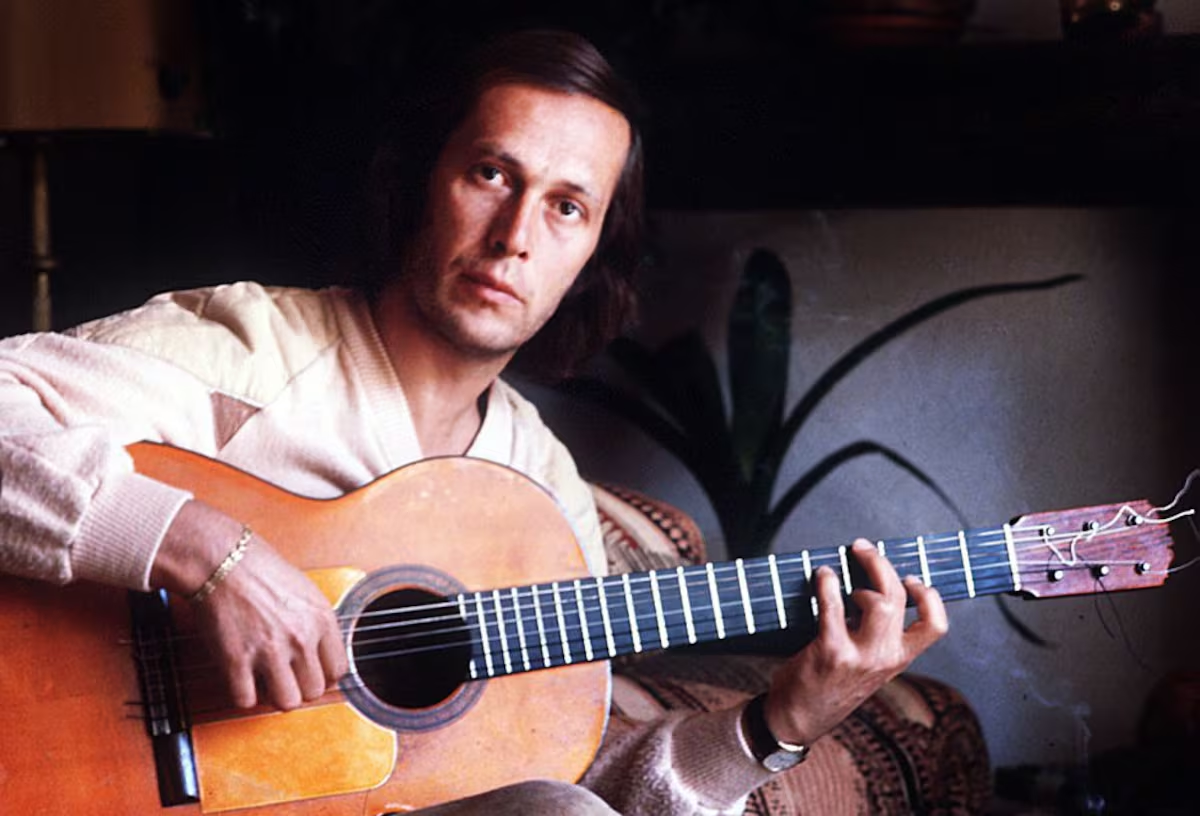
Paco de Lucía transformó el papel tradicional de la guitarra flamenca, pasando de ser un mero acompañamiento a convertirse en un vehículo para una expresión melódica profundamente personal y una instrumentación moderna.
.webp)
.webp)
.png)

.png)
.png)
COLABORA
Brinda el poder transformador del flamenco a todos. Tu donación marca la diferencia.

