La Yunko hace historia
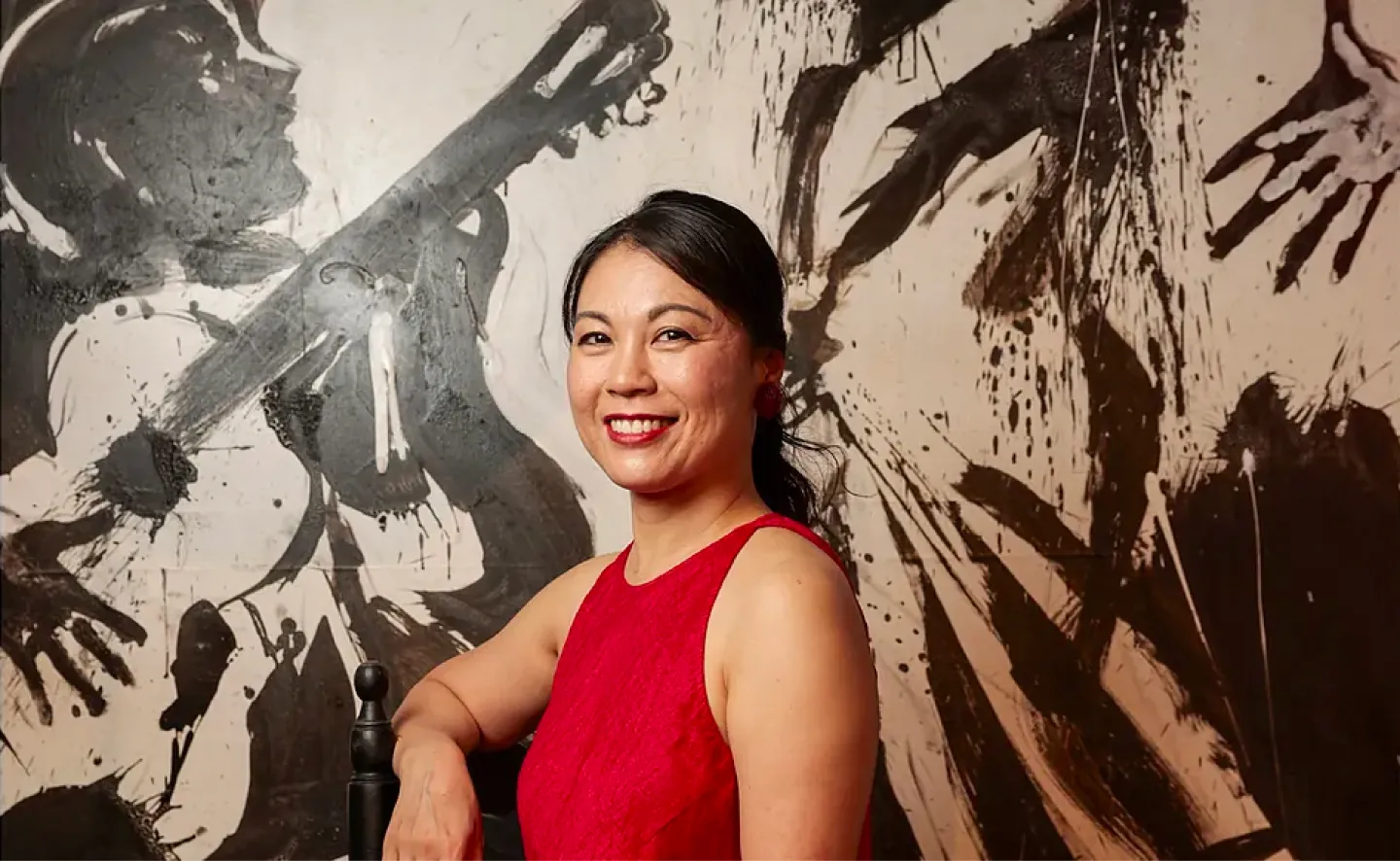
«Cuando bailo siento que el canto o la guitarra entran en mi cuerpo directamente a través de la piel y, a medida que llega a lo más profundo del cuerpo, como una célula, es de ahí de donde siento que viene mi baile»
—Junko Hagiwara, La Yunko
En agosto de 2024, Junko Hagiwara «La Yunko» se convirtió en la primera bailarina no española en ganar el premio más codiciado del baile flamenco: El Desplante, otorgado por el Festival Internacional de Cante de las Minas. Al principio, el logro se vio empañado cuando la artista subió al escenario para recoger su estatuilla y recibió abucheos del público. Ser pionera no es tarea fácil. La Yunko sigue enfrentándose a críticas por haber ganado un premio tan apreciado en el mundo del flamenco. «Hubo momentos en los que me hundí, oculté cualquier comentario en las redes sociales, pero a veces me llegaban accidentalmente. En ese momento me estaba hundiendo»
Pero la resiliencia ganó. "Al mismo tiempo, dado que recibo tantos mensajes de amor y apoyo, lo agradezco y me sorprende mucho. Eso se convierte en una fortaleza muy grande para seguir adelante. Me siento muy feliz aparte de tener un premio tan importante y de tener mucha responsabilidad". Como dijo Yunko El País:
«Cuando bailo, no sé de dónde soy, si soy de Japón o de cualquier otro lugar. Solo bailo, y ya está»
Flamenco, Japón y el escenario internacional
Desde fuera, puede parecer llamativo que en Japón haya tanto interés por el flamenco. Tanto es así que se considera la «segunda patria del flamenco». El intercambio cultural entre España y Japón en torno al flamenco se remonta a casi un siglo. El primer contacto documentado se produjo en 1929, cuando la famosa bailarina española Antonia Mercé, «La Argentina», realizó una gira por Tokio durante sus compromisos internacionales, presentando al público japonés el espectáculo flamenco. Poco después, en 1932, la guitarra española se escuchó por primera vez en Japón, con Carlos Montoya acompañando a Teresina Boronat.
Aunque la presencia del flamenco en Japón disminuyó durante la Segunda Guerra Mundial, resurgió a principios de la década de 1950 con una actuación diplomática de gira del cantante flamenco Rafael Romero «el Gallina».,» cuyo quejíos (expresiones vocales dolorosas) fueron fundamentales para despertar un interés renovado entre el público japonés. La década de 1960 fue un período formativo para el flamenco japonés, que coincidió con la modernización y la apertura cultural de Japón después de la guerra. Las giras de personalidades como Antonio Gades y Pilar López y la popularidad de la película Tarantos (1963), con Carmen Amaya, profundizó la fascinación por el flamenco. En 1967, El Flamenco, un tablao icónico de Tokio, se estableció y se convirtió en el escenario principal de las giras de artistas españoles por Japón, lo que ayudó a transformar el interés local en una comunidad más estructurada.
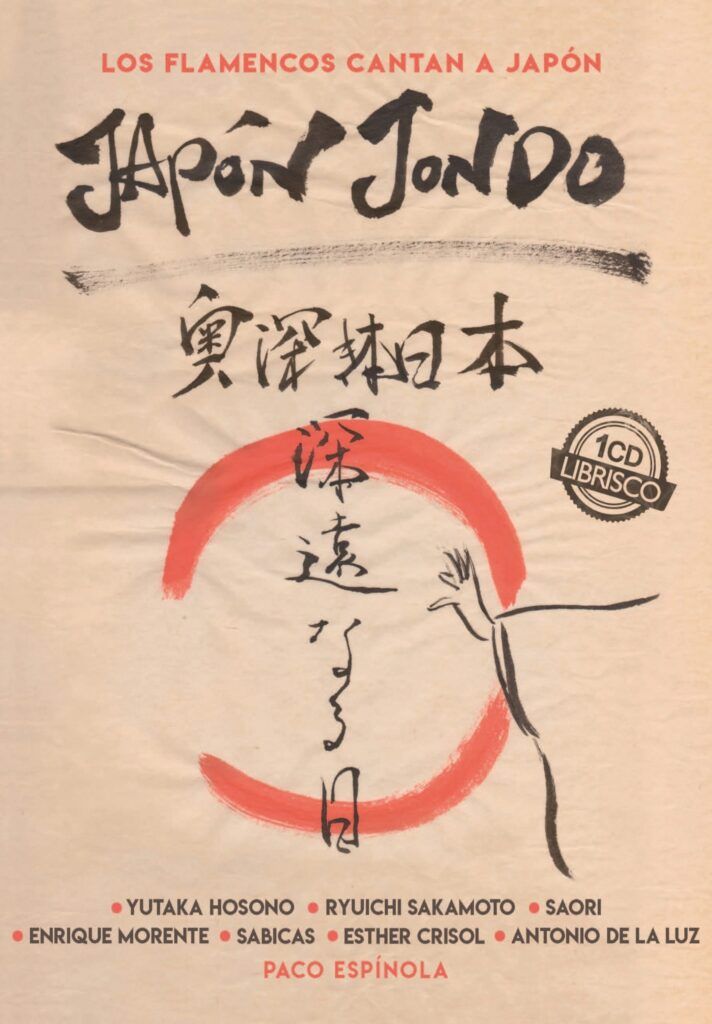
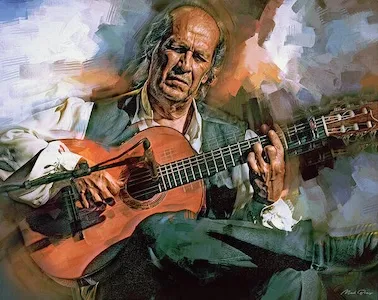
Durante esta época, numerosos bailarines y artistas japoneses viajaron a España (especialmente a Madrid y Sevilla) para sumergirse en la cultura original del flamenco. Innovadoras como Yasuko Nagamine y Yoko Komatsubara estudió y actuó en locales tradicionales como el icónico Tablao Los Gallos, mientras que figuras influyentes como Shōji Kojima (que llegó a España a mediados de la década de 1960 y se formó en el famoso Amor de Dios studio) regresó más tarde a Japón, fundó escuelas y fomentó el crecimiento del flamenco a nivel nacional. Durante la década de 1970 y la década de 1990, el flamenco en Japón maduró hasta convertirse en una fuerte presencia cultural. Artistas españoles como Manolete, Tomás de Madrid y Paco de Lucía realizaron numerosas giras, atrayendo al público e inspirando a los bailarines japoneses.
A principios del siglo XXI, la relación se había convertido en una práctica transnacional sostenida. En su libro Un tablao en otro mundo, El periodista David López Canales escribe: «Durante décadas, guitarristas y bailarines han estudiado y entrenado para llevar el flamenco en Japón a un nivel que muchos artistas españoles admiten abiertamente que ahora es comparable al de España». Según un estudio de 2020, Japón albergaba 500 academias de flamenco y 80.000 japoneses, la mayoría mujeres, estaban aprendiendo flamenco. Esto significa que Japón tiene ahora más academias de flamenco que la propia España.
El flamenco tiene un poder único para construir puentes culturales porque habla directamente a través de la emoción, el ritmo y el cuerpo. Aunque está profundamente ligado a sus orígenes andaluces, sus temas de lucha, añoranza y alegría se entienden universalmente, lo que permite que el público de todo el mundo se conecte con él a nivel humano. A medida que el flamenco se ha extendido más allá de España, se ha convertido en un lenguaje cultural compartido, que invita al aprendizaje, el respeto y el intercambio en lugar de la imitación. De esta manera, el flamenco muestra cómo el arte puede trascender las fronteras, transformando la tradición en un lugar de encuentro entre culturas.
.png)
.png)
.png)
Works Cited/Further Reading
- https://www.elmundo.es/cronica/2024/09/12/66d9cde7e4d4d847238b45a7.html
- https://quepasamedia.com/noticias/entretenimiento/una-bailaora-japonesa-se-alza-con-uno-de-los-premios-mas-prestigiosos-del-flamenco-espanol/
- El vínculo inexplicable y establecido entre el flamenco y Japón por Tablao de Carmen
- Imagen de cabecera: Angélica Reinosa y Antonio Heredia por El Mundo
- Galería de imágenes: La Yunko en Festival Internacional del Cante de las Minas de La Unión (Murcia) por Marcial Guillén (EFE) El País; Angélica Reinosa y Antonio Heredia por El Mundo
.png)



COLABORA
Brinda el poder transformador del flamenco a todos. Tu donación marca la diferencia.

