Alonso Núñez “Rancapino Chico” y Manuel Jero (Seguiriya)
Tags
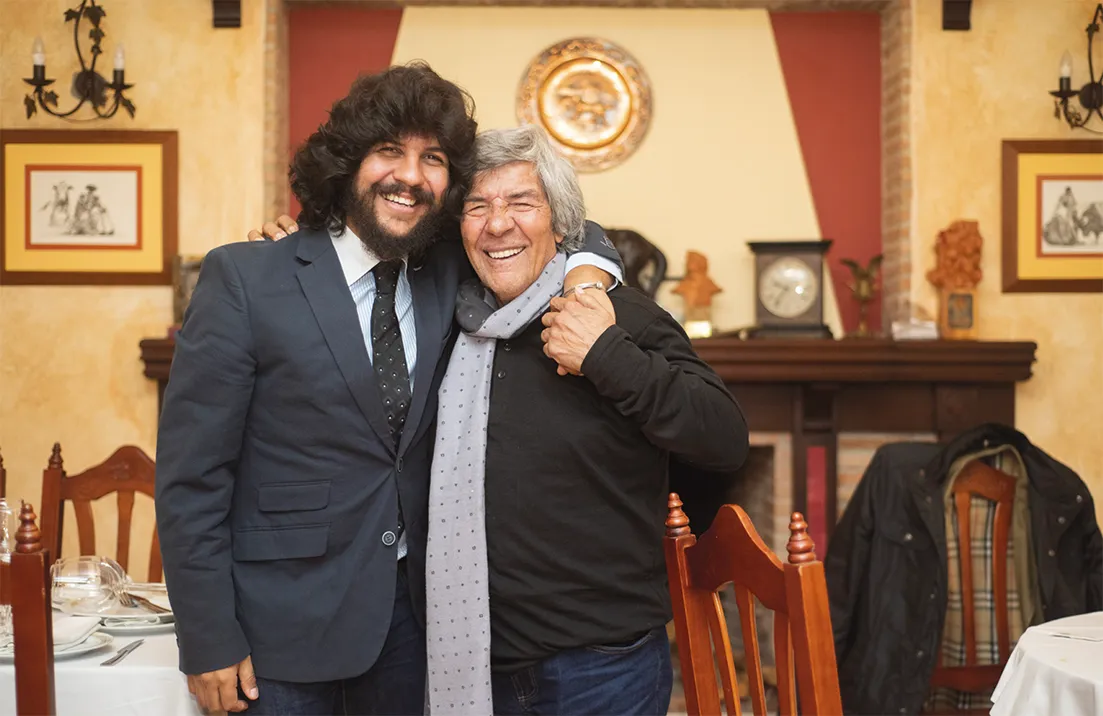
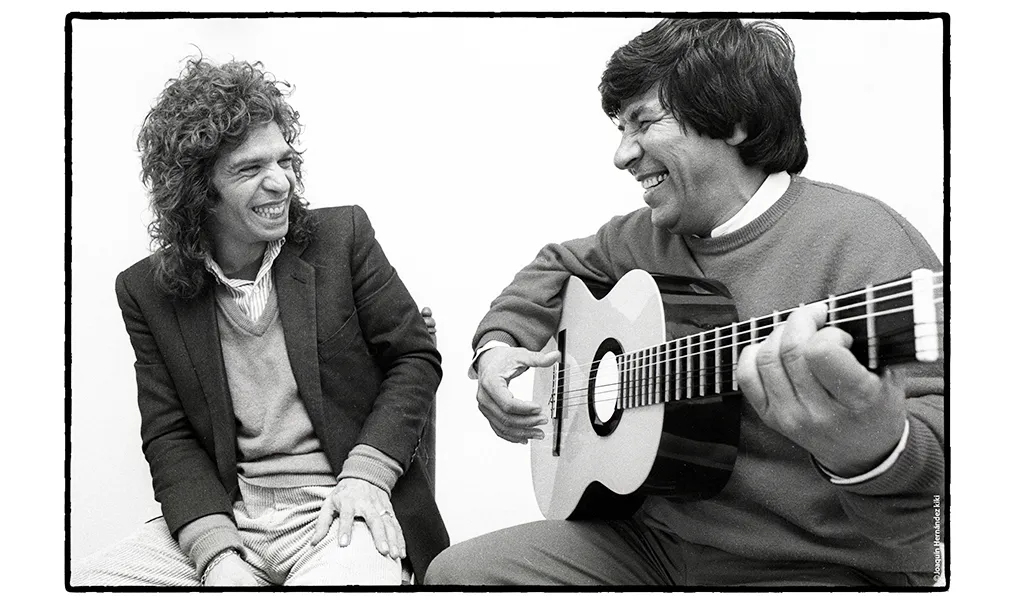
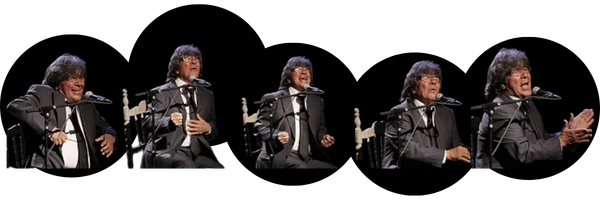
Alonso Núñez “Rancapino Chico” es hijo del gran cantaor de Chiclana de la Frontera, Cádiz, Alonso Núñez “Rancapino”. Siendo así, es poseedor de una herencia cantaora de raigambre. Su padre era gran amigo del legendario Camarón de la Isla y compañero suyo de correrías juveniles y flamencas, especialmente en la Venta Vargas, en San Fernando, donde comenzaron sus primeras experiencias como cantaores.
Estas son las credenciales de este joven cantaor que como ven aquí, tiene arte y conocimiento para dar y regalar. Este video fue grabado para la serie documental titulada “Al Ritmo de la Calle” en el Bar de Bartolo de la ciudad de San Fernando. Su interpretación demuestra que el flamenco tradicional está más vivo que nunca, es más yo creo que hoy en día se canta mucho y bien. Señoras y señores ¡el flamenco no está desapareciendo!
La seguiriya es uno de los palos flamencos más difíciles y de mayor profundidad interpretativa. Es uno de los palos que forman parte del “cante jondo”, por su hondura y tristeza, junto a la soleá y los cantes a “palo seco” (sin acompañamiento de guitarra) con los que está emparentada: tonás, martinetes y carceleras. Sus letras hablan de la muerte, de la enfermedad, de la madre o del amor perdido, todas ellas llenas de un patetismo y un drama que llega a lo más profundo de la esencia humana.
La estrofa o letra de la seguiriya puede tener tres o cuatro versos de seis sílabas y uno de ellos, el tercero o el segundo, de 11 sílabas, que pueden variar en número al unirse algunas de ellas debido a la pronunciación del dialecto andaluz del castellano.
El ritmo es un ciclo de 12 partes de amalgama de 3/4 y 6/8 que sigue el siguiente patrón rítmico:
8 9 10 11 12 1 2 3 4 5 6 7
En este vídeo “Rancapino Chico” interpreta una serie de tres estilos diferentes de seguiriyas de Jerez y los Puertos, todos estilos de la provincia de Cádiz. La ciudad de Jerez de la Frontera es una de las cunas del flamenco y Manuel Torre fue uno de sus cantaores clásicos más legendarios de principios del siglo XX. Joaquín Lacherna nació en 1843 también en Jerez y fue tío de Manuel Torre. La seguiriya de Curro Curse es una seguiriya que forma parte del grupo de Los Puertos: siendo estos puertos las ciudades de San Fernando, Puerto Real, Puerto de Santa María y Sanlúcar de Barrameda. Estas son seguiriyas muy antíguas. Curro Durse nació en Cádiz alrededor de 1825 y fue bisabuelo de otro gran monstruo del cante flamenco, Manolo Caracol.
Seguiriya de Manuel Torre:
*duquelas: penas en calé, jerga gitano/andaluza.
Seguiriya de Joaquín Lacherna:
Seguiriya de Curro Durse:
.png)

.png)

COLABORA
Brinda el poder transformador del flamenco a todos. Tu donación marca la diferencia.

