Beyond the Voice: Three Seguiriyas of Sorrow
ARTICLE TEXT
The seguiriya is one of the most profound and tragic palos of flamenco. Deeply connected to the historical experience of Andalusian Romani communities—especially during periods of persecution—it stands as one of the purest expressions of cante jondo. It is not simply a musical form, but a way of giving voice to a harsh and often painful existence.
Within this tradition, letras (song lyrics) do not tell stories in a conventional sense. Instead, they condense entire emotional worlds into just a few lines: pain, disillusionment, longing, and a persistent sense of unresolved tension.
The following three letras open three different paths into this emotional landscape. Each one speaks from a different place, yet all seem to return to the same unresolved core: a pain that remains, a desire that persists, and a search that does not end.
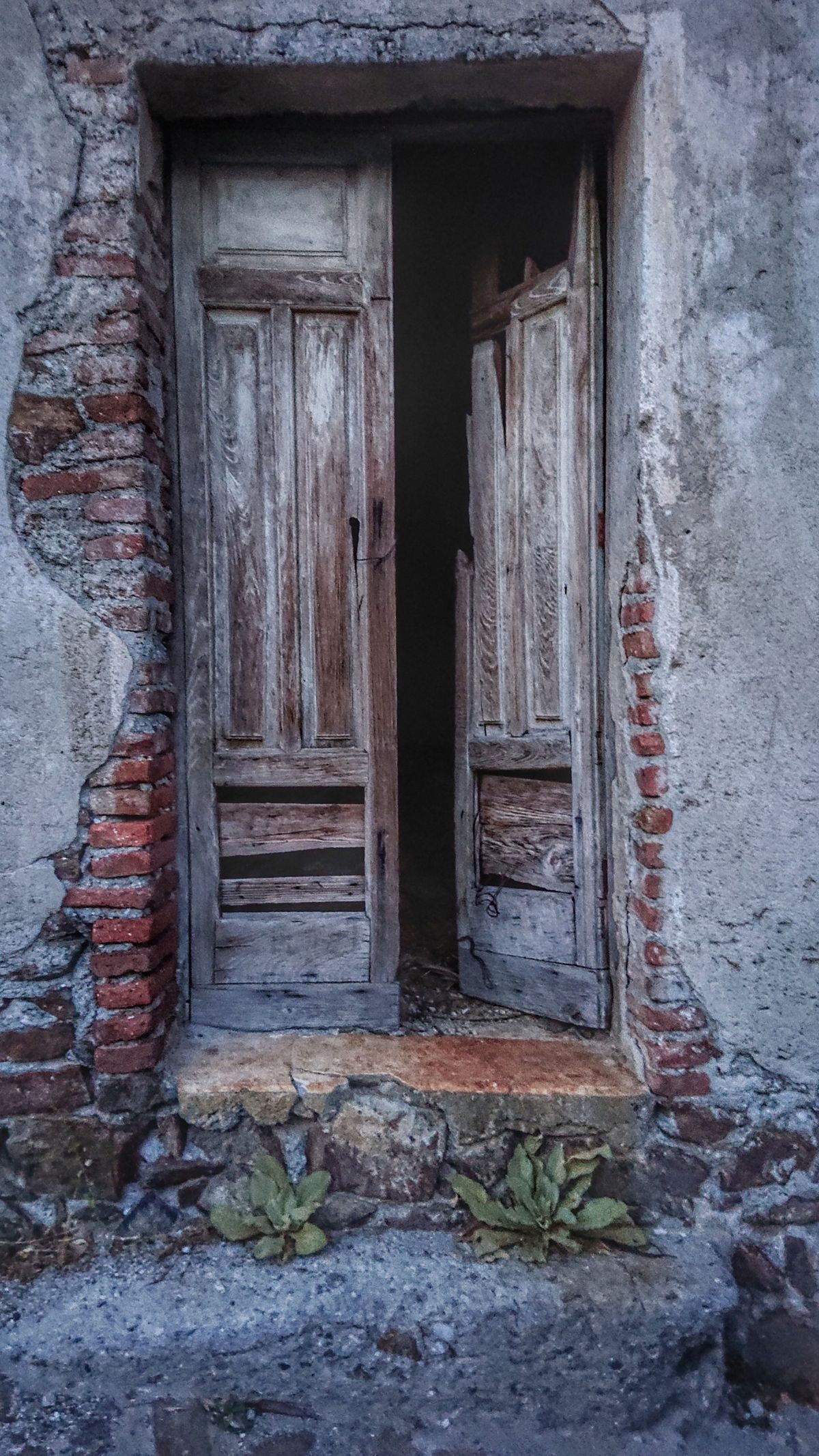
The Open Door
“Mi puerta está abierta siempre, noche y día,
robarme las penas y los desengaños,
¿quién se atrevería?”
“My door is always open, night and day;
who would dare to steal my sorrows and disillusionments?”
Source: Moreno Ortega, F. (2015). Flamenco: Copla y lírica popular andaluza. Jákara Editores
The door functions here as a powerful symbol. A door marks the boundary between the inner and the outer world—between what we keep hidden and what we allow others to see. By declaring that his door is “always open, night and day,” the speaker presents himself as someone without defenses, someone who does not conceal his suffering. There is a willingness to expose the inner world, an almost provocative availability.
And yet, the meaning of this openness quickly shifts. The speaker does not fear that someone might take something valuable from him. Instead, he wonders who could take away his pain. His sorrows are presented almost as something tangible, something that could, in theory, be removed.
But the final line—“who would dare?”—introduces a subtle irony. Although the door is open, the speaker seems convinced that no one will cross the threshold. His pain appears so deep, so overwhelming, that no one would dare attempt to take it away. What initially appears as availability turns into a form of tragic certainty: the inner world is open, yet ultimately unreachable.
In this sense, the seguiriya reveals something essential about cante jondo (deep flamenco song): pain is not merely expressed—it becomes part of the singer’s identity.
If in the first letra pain appears as something already embedded within the self, something that no one can take away, the second shifts our attention to an earlier moment. It takes us back to the origin of expectation, to a time when pain was not yet accepted as inevitable but was instead imagined as something that life would eventually overcome.
The Broken Promise
“Cuando seas mayor
todo lo tendrás,
me decían de niño, y ahora que lo soy
no tengo de na.”
“When you grow up, you will have everything,
they used to tell me as a child
and now that I am grown,
I have nothing at all.”
Source: Moreno Ortega, F. (2015). Flamenco: Copla y lírica popular andaluza. Jákara Editores
Here, pain emerges from what was promised. The speaker recalls words spoken to him as a child, words that did not originate from himself but from others: parents, society, the surrounding world. “When you grow up, you will have everything” is more than reassurance; it is a promise of completeness. The child learns to associate adulthood with fulfillment, with the idea that one day everything will fall into place. Desire itself is shaped by this expectation.

Yet the final lines dismantle this belief: “now that I am grown, I have nothing at all.” Adulthood arrives, but the promise remains unfulfilled. Instead of completeness, there is emptiness.
The strength of this letra lies in the tension between these two moments—the voice of the child and the experience of the adult. What once structured desire is now exposed as an illusion. This is not simply disappointment; it is a deeper realization that the idea of total fulfillment—the promise of “having everything”—was never a real goal to achieve.
Through this, the seguirya moves beyond personal misfortune and touches something more universal: the collapse of an expectation upon which a life was built.
If the second letra reveals the collapse of a promise, the realization that life does not fulfill what it once seemed to guarantee, the third moves one step further. It no longer speaks from the moment of disillusionment, but from the aftermath: from a place where the search continues, even after the promise has already failed.
.jpg)
The Endless Search
“To los caminitos
ya los llevo andaos,
el que buscaba pa curar mis penas
yo no lo he encontrao.”
“I have already walked all the little paths;
the one I was looking for to heal my sorrows,
I have not found.”
Source: Moreno Ortega, F. (2015). Flamenco: Copla y lírica popular andaluza. Jákara Editores.
In this third letra, we encounter a voice shaped not by expectation, but by experience. The speaker is no longer at the beginning of a journey. He has already “walked all the paths”—an image that suggests repetition, persistence, and exhaustion.
And yet, the central object of the search remains undefined. “The one I was looking for” is never named. It could be a person, a state of being, or something more abstract: a promise of healing, a possibility of relief. What matters is not its identity, but its function: it is imagined as something that could cure sorrow.
The final line, however, is clear: “I have not found it.” Importantly, the speaker does not say that it does not exist—only that he has not found it. This leaves the search open. Despite repeated attempts and ongoing failure, nothing suggests that the search will stop.
This is what gives the letra its quiet, tragic force. There is no longer the illusion of certainty, nor the expectation of fulfillment. There is only persistence: the continuation of a search that may never lead to resolution.
Taken together, these three letras trace a coherent emotional trajectory. In the first, pain is already present and becomes part of the self. In the second, the promise that life will bring fulfillment collapses. And in the third, the search continues—without any guarantee that it will ever lead to relief.
These letras do not offer solutions. They do not promise an escape from suffering. Instead, they give form to it, expose it, and in doing so, transform it into something that can be voiced and shared. Perhaps this is why it remains one of the most powerful expressions of flamenco: not because it resolves pain, but because it dares to inhabit it.
.png)
.png)
.png)



.png)
.png)
SUPPORT
Ignite the transformative power of flamenco for all.
Your tax deductible donation goes directly to artists and programs. We can't do it alone. Your support makes all the difference!

